
What Is an Office? A Drill, a Hole, or a Painting on the Wall?
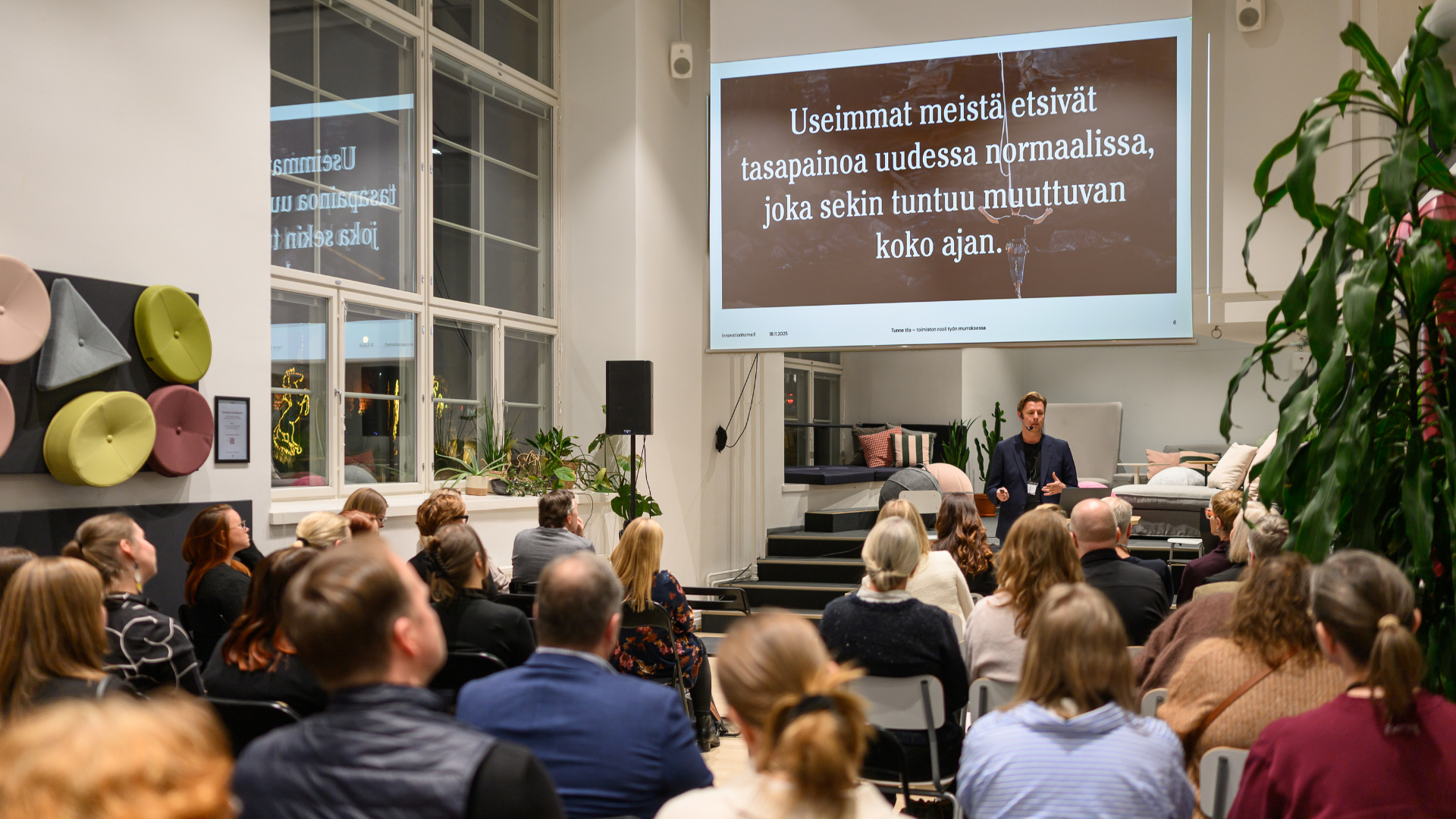
As the turn of the year approaches, it’s a good moment to reflect on my first full year in the office business as CEO of Innovation Home. One observation stands out above the rest: the debate around mandatory versus voluntary office attendance leaves the essential questions in the shadows. A discussion stuck in trench warfare mode never seems to reach the core issue — why offices are actually needed and on what basis they are acquired. Are we investing in a drill when the real goal is to get a painting on the wall?
How many square meters are needed, and at what price? In which part of the city? How many parking spaces? How long is the lease? These are the five standard questions of office selection, typically raised by the CFO or a project team reporting to them. And off we go — full speed to the hardware store to buy a drill.
The drill mindset represents a traditional and safe path in office procurement. Is there anything wrong with preparing for future growth or anticipating resistance to change? Just in case, let’s take a slightly larger space and give everyone their own desk so no one complains. The privacy of individual offices and the protection of business secrets also feel justified, even though a large part of the work is done remotely.
The “hole in the wall” way of thinking takes the conversation one step further and asks what the space actually enables. A work community needs encounters; individuals need peace and quiet to focus. Pleasant spaces draw people to the office and support well-being at work. Community is the buzzword of the day, but making it real is difficult without an attractive office. The office is also a concrete expression of a company’s brand — a place where culture becomes visible. These perspectives are important, but rarely decisive. In the end, money speaks, the drill hits a brick wall, and the hole remains unfinished.
The third, rarer perspective is the “painting on the wall.” It starts from a different question: how should we work going forward, and what kind of conditions make work genuinely good? Strong results follow from good work. This is not just a financial or HR perspective, but a lens on sustainable business. It understands both money and people and knows how to balance them properly. When considering the ROI of an office, the focus isn’t only on costs, but on how those costs relate to the deepest purpose of having an office in the first place.
Work is changing — we all know that — but the core task of the office remains. The office is a place for work, and a good office is a place for good work. When you start from the “painting on the wall” mindset, it’s also possible to end up with a good drill — at a sensible price. The other way around, this happens surprisingly rarely.
Innovation Home is not a real estate investor, but a service operator. We succeed only when our customers succeed. Good work creates success, and building the conditions for good work is our mission. These conditions emerge from a balance between feeling and functional space. Over the past year, we’ve invested heavily in understanding and developing exactly this balance. The journey is only just beginning, but it’s already clear that it will be an interesting — and meaningful — one.
Are you looking for insight to support your thinking around office sizing in the hybrid era, the costs of maintaining an office, and the possibilities of shared work environments? Book a 30-minute session with Henri Hietala, CEO of Innovation Home.